
Whoa! I didn’t expect a browser extension to matter so much. Really. At first I treated wallets like plumbing—boring, necessary, invisible. Then one day I messed up a gas fee on a bridge and lost a small chunk of crypto. My instinct said: there’s got to be a better way. Something felt off about bouncing between wallets and networks, and that itch pushed me to try a few multi-chain extensions. The result surprised me.
Here’s the thing. A multi-chain wallet in your browser is not just convenience. It changes workflow. It reduces cognitive load. It lets you move faster, and yes, it can reduce mistakes—if designed well. Over the past year I’ve used a handful of these extensions, tweaked settings, and mis-clicked a few too many times (hey, I’m human). What follows is practical insight from that grind—not marketing fluff, not a spec sheet, but real-world notes for folks who live in wallets and tabs.
First, let me be honest: I’m biased toward tools that make on-chain ops safer and more transparent. I like seeing approved allowances before they get signed. I like network-aware UX. I like when a wallet politely tells me, “uh—this contract is asking for unlimited allowance.” That kind of nudging matters. It saved me once. And yeah, it bugs me when wallets hide those details behind layers of clicks.
Why multi-chain matters (without the buzzwords)
Multi-chain isn’t just supporting more networks. It’s about context. A good extension wallet keeps you grounded in which chain you’re transacting on, shows token balances cleanly across chains, and makes approving or rejecting actions fast and obvious. On one hand, you get access to the newest L2s and sidechains. On the other, you risk confusing addresses, fees, and token standards—unless the wallet helps you.
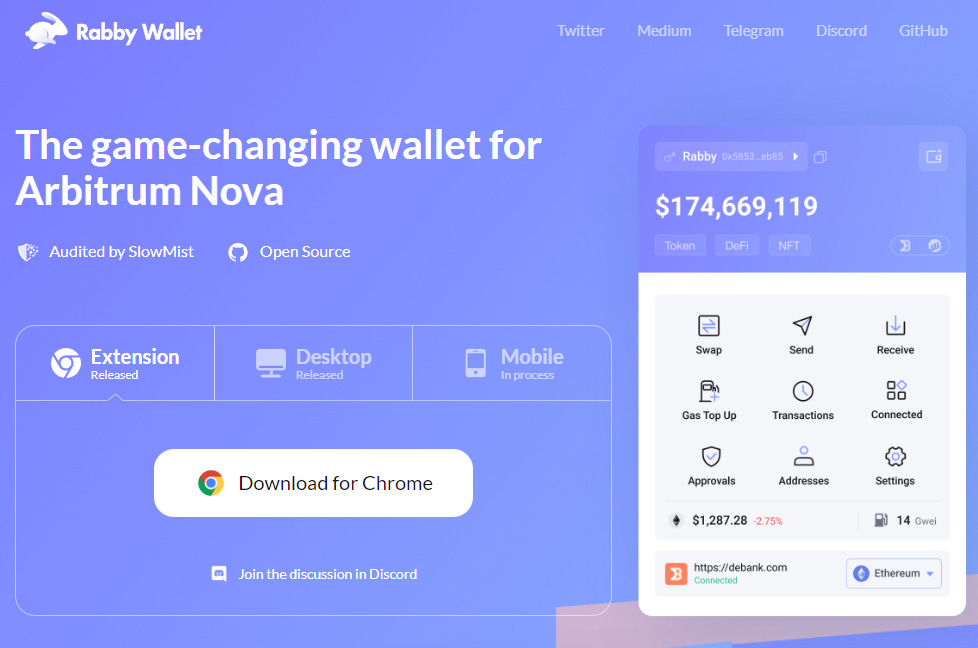
One extension that stood out to me for balancing that is rabby wallet. I tried it after getting annoyed by constant chain-hopping. It presents network context clearly, and it surfaces transaction details in a way that doesn’t require a PhD in gas optimization. The UX nudges—those tiny confirmations and clear allowance dialogs—help avoid costly slips.
Okay, so check this out—some concrete things that made a difference for me:
- Clear network labels: no more guessing which chain a dApp is asking to use.
- Allowance management: revoke and edit permissions without hunting through obscure settings.
- Gas estimation tips: helpful defaults for common networks, with the option to tweak for speed.
- Transaction batching and nonce management: small but vital for heavy users.
On the flip side, multi-chain wallets can introduce risk if they try to support every new network too fast. Unsupported or poorly integrated chains can leak UX problems into core flows, and that is where mistakes happen. So, it’s a trade-off: breadth versus stability. Personally I’d rather have fewer, well-integrated chains than dozens slapped on with half-baked defaults.
Security trade-offs and mental models
My mental model for browser wallets is this: surface good defaults, show the risky bits, and keep recovery simple. Sounds obvious. Though actually, wait—how that plays out is nuanced. For instance, HD seeds are convenient but lead to the habit of “one seed to rule them all.” That convenience increases exposure. Hardware integration helps, but it’s not frictionless. On some days I want friction; on others I want speed.
On one hand, fast approvals win UX tests. On the other, fast approvals are where people accidentally sign malicious calls. My conclusion? The wallet should make risk visible at the moment of decision, not bury it. That means clear contract names when possible (or at least clear addresses and function signatures), allowance limits, and a simple way to say no. I like tools that keep approval history and make revocation five seconds away—because often you don’t realize you needed to revoke until it’s too late.
There are also technical details that only become obvious after you use these wallets a lot. For example, nonce management across multiple chains can become a mess if the wallet doesn’t sync well with the node. Or gas calculators that miss bridging costs can leave you stranded mid-bridge. Those are real-world gotchas that matter more than slick onboarding screens.
I’m not 100% sure about everything—this space moves fast—but here’s a quick checklist I use before trusting a multi-chain extension:
- Does it clearly label networks and accounts?
- Can I easily view and revoke allowances?
- Is hardware wallet pairing straightforward?
- Does it surface contract call details intelligibly?
- Are updates frequent and changelogs transparent?
Rabby, in my tests, ticked many of those boxes. Not perfect. But useful in a way that felt like a real productivity gain. And for folks juggling DeFi across networks, that matters.
Workflow tips I actually use
Some habits I picked up that saved me time and trouble:
- One account per purpose: trading, staking, and cold savings. It reduces cross-contamination of approvals.
- Review allowances weekly: revoke anything I don’t use often.
- Use hardware confirmations for large transactions, even if the extension is my daily driver.
- Label accounts inside the wallet—small detail, big sanity.
Also: I try to treat bridges with suspicion until I can verify both sides. There’s a lot of moving parts in a cross-chain transfer, and the extension should make each step explicit. If it doesn’t, then slow down.
FAQ
Do I need a separate wallet for each chain?
No. A multi-chain extension lets one seed manage accounts across chains. But it’s wise to compartmentalize funds across accounts for safety—use one account for daily activity and another for long-term holdings.
Is a browser extension wallet safe?
Browser extensions are convenient and can be safe if you follow best practices: keep software up to date, use hardware wallets for large sums, and verify transactions before signing. The extension should make those verifications easy and visible.
Why choose a wallet like Rabby?
Because of readable UX around approvals and network context. It reduces unclear prompts and gives you quick controls for allowances and chain navigation. Again—use it thoughtfully, and combine it with hardware keys for significant assets.
To wrap this up (not a neat summary—just a final, honest note): tools don’t replace habits. A good multi-chain browser wallet like rabby wallet can make the right habits easier, but it’s still on you to be cautious. I’m left less anxious about cross-chain ops now, but still alert. That shift—from cautious to confidently cautious—felt worth it. Somethin’ about that peace of mind is priceless.