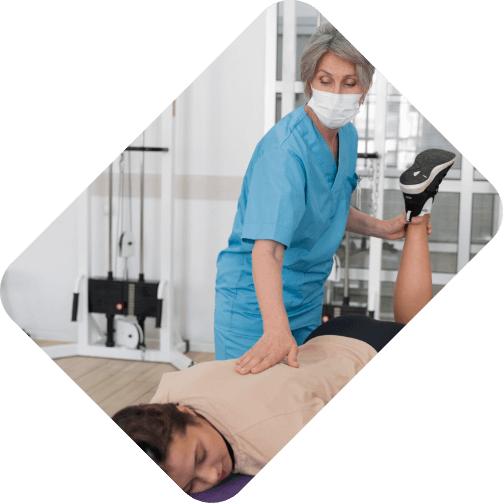


Loss of muscle function in one or more body parts is a defining feature of paralysis. It is a condition that can change a person’s life and needs to be managed carefully and effectively. Ayurveda’s holistic approach has acquired prominence for offering long-term comfort and improving quality of life, even though modern medicine offers remedies. The benefits of natural remedies, the function of paralysis medicine, and the efficacy of the best Ayurvedic medication for paralysis currently on the market are all covered in this blog post about Ayurvedic treatment for paralysis.
Understanding Paralysis
Numerous conditions, such as strokes, spinal cord injuries, nerve loss, or autoimmune illnesses, can result in paralysis. It interferes with brain-muscle communication by affecting the central nervous system.
An imbalance in the body’s doshas—Pitta, Kapha, and Vata—with a focus on an aggravated Vata dosha is thought to be the cause of paralysis in Ayurveda. Ayurvedic treatments aim to restore this equilibrium, providing a comprehensive method of treating paralysis.
How Ayurveda Approaches Paralysis Treatment
Instead of only treating the symptoms of paralysis, the ancient Indian medical practice known as Ayurveda aims to determine the underlying reason. Restoring the balance of Vata dosha and enhancing nerve and muscular function are the main objectives of Ayurvedic treatment for paralysis. Herbal remedies, Panchakarma treatments, dietary adjustments, and lifestyle adjustments are all used to achieve this.
Key Principles of Ayurvedic Paralysis Treatment:
- detoxification to get rid of pollutants and get the dosha back in equilibrium.
- using natural medicines to rejuvenate muscles and nerves.
- enhancement of mobility and circulation with therapeutic massages.
- modifications to the diet to promote recovery and lower inflammation.
- To guarantee long-term recovery, regular monitoring and modifications are
Ayurvedic Therapies for Paralysis Treatment
1. Treatment with Panchakarma
A key component of Ayurvedic treatment is panchakarma. It includes five detoxification methods that aid in the body’s renewal and toxin removal. Therapies like Basti (medicated enema), Swedana (herbal steam therapy), and Abhyanga (therapeutic oil massage) are very useful for treating paralysis. These treatments aid in restoring nerve function, lowering stiffness, and enhancing circulation.
2. Massages and Herbal Oils
Ashwagandha Bala Lakshadi Thailam and Mahanarayan oil are two examples of Ayurvedic oils that are used in therapeutic massages to stimulate the nervous system. In addition to improving mobility, regular massage with these oils also lowers inflammation and pain.
3. The Shirodhara
This treatment involves continuously applying warm herbal oil to the forehead. Shirodhara helps patients receiving treatment for paralysis by calming the nerve system, lowering stress, and enhancing mental clarity.
4. Treatment with Nasya
Herbal oils or powders are administered through the nasal passages in this procedure. Nasya therapy works well to alleviate paralysis brought on by strokes or other neurological disorders and to enhance brain function.
5. Treatment with Kizhi
Heated herbal poultices are used in this specific Ayurvedic treatment. Kizhi therapy helps to strengthen paralyzed muscles, increase blood flow, and lessen stiffness.
The Best Paralysis Ayurvedic Medicine
By addressing the root causes and encouraging nerve regeneration, ayurvedic medications are essential in the treatment of paralysis. The following are a few of the top Ayurvedic treatments for paralysis:
-
Withania somnifera, also known as ashwagandha:Ashwagandha, is well-known for its adaptogenic qualities, promotes nerve regeneration, increases muscle strength, and lowers stress.
- Rasraj Ras: This traditional Ayurvedic remedy works well for neurological conditions and increases mobility.
- Dashmoolarishta: A herbal tonic that boosts the neurological system and lowers inflammation.
- Guggulu Kaishore:aids in the body’s detoxification and promotes the repair of injured nerves.
- Bacopa Monnieri, or Brahmi:increases cognitive performance and enhances brain-muscle synchronization.
-
Bacopa Monnieri, or Brahmi: increases cognitive performance and enhances brain-muscle synchronization.
These treatments, which provide long-term advantages and holistic recovery, are regarded as some of the greatest Ayurvedic medications for paralysis.
Role of Paralysis Medicine in Ayurvedic Treatment
Medicine for paralysis Natural herbs and minerals are used to create Ayurvedic formulas, guaranteeing their efficacy and safety. These medications seek to:
- bolster the nervous system.
- Minimize spasms and stiffness in your muscles.
- Boost the flow of blood.
- Boost general health and mobility.
Ayurvedic paralysis medication, in contrast to synthetic medications, acts gently on the body, lowering the possibility of adverse effects and encouraging long-lasting healing.
Benefits of Ayurvedic Paralysis Treatment
1. Holistic Therapy
By addressing the underlying cause of paralysis, Ayurveda provides a whole treatment plan that emphasizes mental, emotional, and physical health.
2. Non-Invasive Treatment Methods
Patients of various ages can benefit from non-invasive Ayurvedic treatments like Panchakarma and herbal massages.
3. Organic Treatments
Herbal formulations are a safer option to traditional medicines because they guarantee fewer adverse effects.
4. A higher standard of living
Ayurvedic treatments improve a patient’s general quality of life, help them restore mobility, and lessen discomfort.
5. Economical
For long-term paralysis therapy, Ayurveda provides a more cost-effective alternative to contemporary therapies.
6. Assistance for Mental Health
Ayurvedic treatments also aim to lessen anxiety and tension, which are prevalent among paralysis patients.
Ayurvedic Paralysis Hospitals
Patients with paralysis can receive excellent care in specialized Ayurvedic hospitals. Modern Panchakarma centers, skilled practitioners, and individualized treatment programs are all features of these establishments.
Why Pick a Hospital for Ayurvedic Paralysis?
- competent advice from qualified Ayurvedic doctors.
- availability of genuine Ayurvedic treatments and medications.
- complete treatment, including advice on diet and lifestyle.
- customized treatment programs according to each person’s requirements.
Ayurvedic Aditya Gram is a well-known Ayurvedic hospital for paralysis that treats paralysis and other neurological disorders holistically. The hospital ensures the finest results for its patients by combining contemporary care with ancient Ayurvedic procedures.
Dietary Guidelines for the Treatment of Paralysis
In order to support Ayurvedic treatment for paralysis, a balanced diet is essential. Here are a few dietary guidelines:
-
- Incorporate: Whole grains, fresh produce, and diets high in omega-3 fatty acids.
- Steer clear of: processed foods, too much salt, and refined sugars.
- Drink plenty of water: Drink herbal teas and lots of water to help your body detox.
- Supplements made from herbs: Use herbs like garlic, ginger, and turmeric to increase circulation and lessen inflammation.
- Warm Foods: For better digestion and Vata dosha balance, choose warm, freshly prepared meals.
Ayurvedic Paralysis Treatment Success Stories
Ayurvedic treatment for paralysis has produced notable improvements for several people. For example
- A 45-year-old stroke patient showed significant improvements in speech and regained 50% of his mobility after undergoing six months of Panchakarma and herbal therapy
- An Ayurvedic treatment plan involving Rasayana therapy and regular Ayurvedic massages was proven beneficial for a patient with spinal cord injury as he discover decrease in his pain and increase in muscle strength.
- To give another example, a 70 year old patient suffering from hemiplegia had a marked improvement in his range of motion after receiving regular oil massages and herbal treatments.
These success stories highlight the potential of Ayurveda in transforming lives affected by paralysis.
Cost of Ayurvedic Paralysis Treatment
The cost of paralysis treatment in Ayurveda varies based on factors such as the severity of the condition, the duration of treatment, and the therapies involved. On average, treatment costs range from $500 to $2,000 for a comprehensive package that includes Panchakarma therapies, herbal medicines, and consultations.
While the initial expense may seem significant, the long-term benefits and reduced dependency on synthetic drugs make it a worthwhile investment.
Conclusion
Ayurveda Treatment for Paralysis: Comprehensive and Natural Care for Those Affected Ayurveda takes a holistic approach to address the underlying causes of paralysis and aims for long-term healing and improved quality of life by utilizing a blend of herbal medicines, Panchakarma therapies, and lifestyle changes. Ayurveda offers a holistic care that combines ancient wisdom with modern treatment, whether you are in search of the best Ayurvedic medicine for paralysis or, ayurvedic paralysis hospital.
To know more of your healing journey through Ayurvedic paralysis treatment visit Aditya Ayurveda Gram So if you are ready take the leap into nature and start the path to recovery now!
Frequently Asked Questions :
1 . What is the best treatment for paralysis?
The best treatment for paralysis combines Ayurveda’s Panchakarma therapies, herbal medicines, and physiotherapy to restore mobility and balance.
2 . Can a person recover from paralysis?
Yes, recovery from paralysis is possible with timely treatment, including physiotherapy, Ayurvedic therapies, and consistent rehabilitation efforts.
3 . How to help someone who is paralyzed?
Support someone paralyzed with physiotherapy, Ayurvedic therapies, emotional encouragement, adaptive tools, a balanced diet, and regular medical guidance.
4 . How to avoid paralysis?
To avoid paralysis, maintain a healthy lifestyle, manage stress, control blood pressure, exercise regularly, and prevent stroke risk factors.
5 . Can high BP cause paralysis?
Yes, high blood pressure can lead to paralysis by causing strokes, which damage the brain and impair muscle function.